The History of Jordan Brand: From the Hardwood to The Streets
Jordan Brand has reached a level of cultural dominance that almost no companies in the history of sneaker culture can rival. What commenced as a exclusive basketball shoe deal in 1984 has transformed into a multi-billion-dollar empire that extends past sports, fashion, and entertainment. In 2026, Jordan Brand persistently pull in over $6 billion in annual revenue for Nike, a demonstration of its lasting relevance across eras. The narrative of how a lone pair of sneakers transformed the entire arena of sports marketing remains one of the most compelling chapters in modern business history. Tracing the path from the playing courts to the catwalks demonstrates how realness, innovation, and cultural timing can produce something truly permanent. This article maps that impressive evolution era by era.
The Beginning of a Icon: 1984–1985
In 1984, Nike was not the commanding force it is today — the company was in fact losing market share to Converse and Adidas in the basketball space. In need of a transformative move, Nike’s Sonny Vaccaro urged the company to invest its entire basketball budget into a single rookie: Michael Jordan. The first Air Jordan I, designed by Peter Moore, overturned every NBA rule with its eye-catching black and red colorway, resulting in Jordan a $5,000 fine per game for violating the league’s uniform policy. Nike turned that drama into marketing gold with the iconic “Banned” campaign, and the shoe sold $126 million in its first year alone — vastly exceeding the projected $3 million. The cultural impact was swift: teenagers queued outside stores, and basketball shoes abruptly emerged as prestige items rather than basic sports gear. That lone decision to stake everything on one athlete permanently changed how sports brands execute endorsement deals to this buy nike jordans day.
Constructing the Dynasty: The Late 1980s and 1990s
With each new iteration released alongside Michael Jordan’s championship campaigns, the Air Jordan line progressed both in innovation and aesthetically. The Air Jordan III, designed by the visionary Tinker Hatfield in 1988, brought the visible Air unit, elephant print, and the world-renowned Jumpman logo that took over from the original Wings branding. By the time the Air Jordan IV dropped in 1989, the shoes had evolved into constants in rap culture — Spike Lee’s “Mars Blackmon” character became synonymous with the brand through iconic television commercials. The 1990s saw Jordan win six NBA championships, and each title-winning season was accompanied by a new design that fans raced to grab. Sales figures demonstrate the impact: the Air Jordan XI alone pulled in over $200 million in 1996, establishing it as the most popular sneaker of that era. The fusion of on-court dominance and fashion cachet forged a momentum that no contender could reproduce.
Jordan Brand Emerges as Its Own Enterprise
In 1997, Nike formally spun Jordan Brand into a separate subsidiary, giving it unmatched autonomy within the organizational framework. This shift allowed the brand to sign its own portfolio of athletes, starting with Derek Jeter, Ray Allen, and later expanding to include Carmelo Anthony and Chris Paul. The decision proved prescient — by functioning semi-independently, Jordan Brand could develop its own brand DNA without being overshadowed by the broader Nike portfolio. Revenue exceeded $1 billion annually by 2010, positioning Jordan Brand as one of the most financially powerful entities in all of athletic commerce. The autonomous setup also enabled more targeted marketing that spoke directly to the core audience of basketball enthusiasts and sneaker connoisseurs. By 2026, the brand backs over 30 professional athletes across basketball, baseball, and football, stretching its reach far beyond its basketball origins.
The Sneaker Culture Phenomenon
The rise of sneaker culture from a underground interest to a global movement can be attributed an immense debt to Jordan Brand. Resell sites like StockX and GOAT, which collectively process billions of dollars in transactions annually, were essentially constructed on the back of Air Jordan desire. Exclusive “retro” drops — re-issues of classic designs — established a exclusivity-based market where certain colorways grow in price like luxury collectibles. The Air Jordan 1 “Chicago,” originally retailing for $65 in 1985, now achieves prices exceeding $5,000 on the aftermarket depending on condition and size. Sneaker conventions, YouTube unboxing channels, and focused social media accounts with millions of followers all trace their cultural roots back to the fervor surrounding Jordan releases. This industry creates an estimated $10 billion globally in resale value as of 2026, with Air Jordans perennially representing the most transacted and most coveted segment of the market.
From the Courts to High Fashion
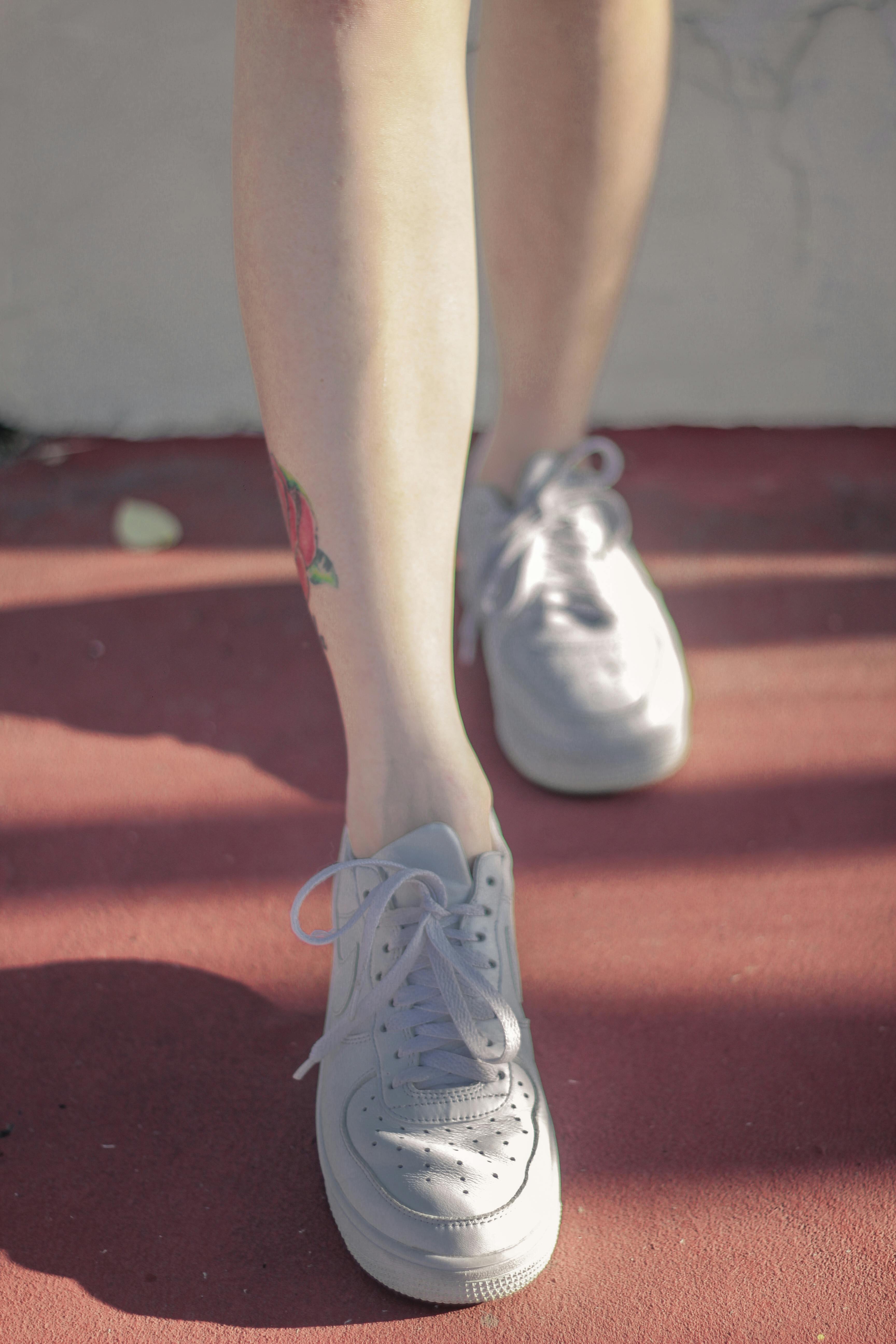
Jordan Brand’s move into high fashion constitutes perhaps its most stunning triumph. Partnerships with high-fashion labels like Dior, which released a limited Air Jordan 1 in 2020 for $2,000 retail (now reselling for over $10,000), signaled that athletic shoes had been totally integrated into the luxury fashion world. Virgil Abloh’s Off-White x Jordan releases subsequently blurred the line between streetwear and haute couture, with reimagined designs that defied established sneaker design norms. Travis Scott’s ongoing partnership with Jordan Brand has created some of the most in-demand releases of the 2020s, with his signature designs turning into instant collector’s items. Famous endorsement extends beyond official partnerships — Air Jordans regularly show up on red carpets, in music videos, and in couture editorial layouts. The trainers that were once banned from NBA courts are now welcomed in the most distinguished fashion circles around the world. This metamorphosis from performance footwear to lifestyle essential is perhaps the most consequential shift in footwear history.
Role in Communities and Representation
Beyond commercial success and culture, Jordan Brand has made substantial investments in social impact and representation. The brand’s support for historically Black colleges and universities (HBCUs) has resulted in multi-year sponsorship deals with institutions like Howard University and North Carolina A&T, supplying athletes with premium equipment and broad recognition. The Jordan Wings program has channeled over $100 million in social programs focused on education, mentorship, and financial empowerment since its founding. In 2020, Michael Jordan himself pledged $100 million over ten years to organizations advocating for racial equality and social justice. The brand has also been mindful about expanding its athlete roster and design team, understanding that authenticity requires representation at every level of the organization. These efforts reveal that Jordan Brand’s cultural influence reaches much further than product sales into genuine social impact that connects with its values-driven consumer base.
| Decade | Defining Milestone | Cultural Legacy | Est. Annual Revenue |
|---|---|---|---|
| 1980s | Air Jordan I debut; NBA ban controversy | Dawn of sneaker culture and athlete branding | $100–200M |
| 1990s | Six championships; Jumpman logo; AJ XI phenomenon | Shoes transform into hip-hop fashion staples | $500M–$1B |
| 2000s | Retro releases begin; brand signs non-basketball athletes | Collector market and aftermarket trading develop | $1B–$2B |
| 2010s | Off-White and Travis Scott collabs; Dior partnership | Haute couture acceptance; global streetwear influence | $3B–$4B |
| 2020s | $6B+ revenue; HBCU partnerships; women’s line growth | Community investment; inclusivity; digital sneaker culture | $5B–$6.6B |
The Future of Jordan Brand in 2026 and Beyond
As Jordan Brand begins its fifth decade, the concern of longevity without Michael Jordan’s direct participation on the court has been decisively answered — the brand is beyond any single athlete. New signing classes headlined by up-and-coming NBA stars like Victor Wembanyama promise that the sporting relevance endures for the next generation. Digital progress, including interactive try-on features and blockchain-verified authentication for limited releases, situates the brand at the leading edge of retail innovation. Women’s Jordan offerings make up the fastest-growing segment, with a 40% increase in sales between 2023 and 2025, showing a intentional push toward inclusivity in sizing and design. Eco-friendly initiatives, including the use of recycled materials in select models, respond to the rising consumer appetite for eco-conscious manufacturing. The Jordan Brand journey is fundamentally one of cultural transformation — turning leather, rubber, and Air cushioning into icons of ambition, identity, and belonging that ring true across every corner of the globe.